Smart Water Box: Redefining Clean Water for a Sustainable Future
Water is vital for life, yet countless areas still struggle with steady access to safe drinking water. That is why ideas like the Smart Water Box exist: a compact approach built around Atmospheric Water Generation (AWG), the process of collecting moisture that is already in the air and turning it into drinkable water.
This independent guide explains what the Smart Water Box is, how air-to-water technology works in plain language, who may benefit from it, and where its limits are, so you can decide with clear expectations before you buy.
Whether you live off-grid, want an emergency backup, or simply like the idea of a more independent household, read on and then check the official page for current details.
Click Here To Buy NowWhat is Smart Water Box?
The Smart Water Box is presented as a self-contained way to make drinking water from the air around you. It is built on the principle of Atmospheric Water Generation: air is drawn in, its moisture is condensed into liquid, and the liquid is filtered before it is stored for use. The idea is that you do not depend on a well, a municipal supply or a delivery truck, only on air, a source of power and some basic upkeep.
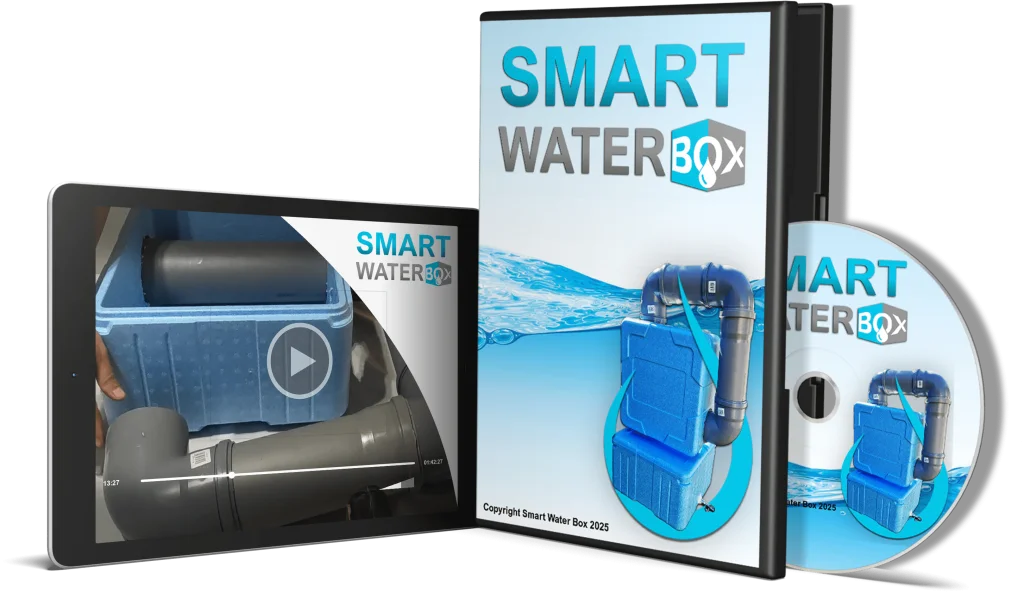
The packaging used on the official page shows a DVD case, a disc and a tablet playing a video. That presentation suggests the offer includes instructional material, such as a guide or video course, rather than only a boxed appliance. Because the exact contents of an offer can change, always read the official order page carefully and confirm what you receive, in what format, and whether any physical parts are included or must be sourced locally.
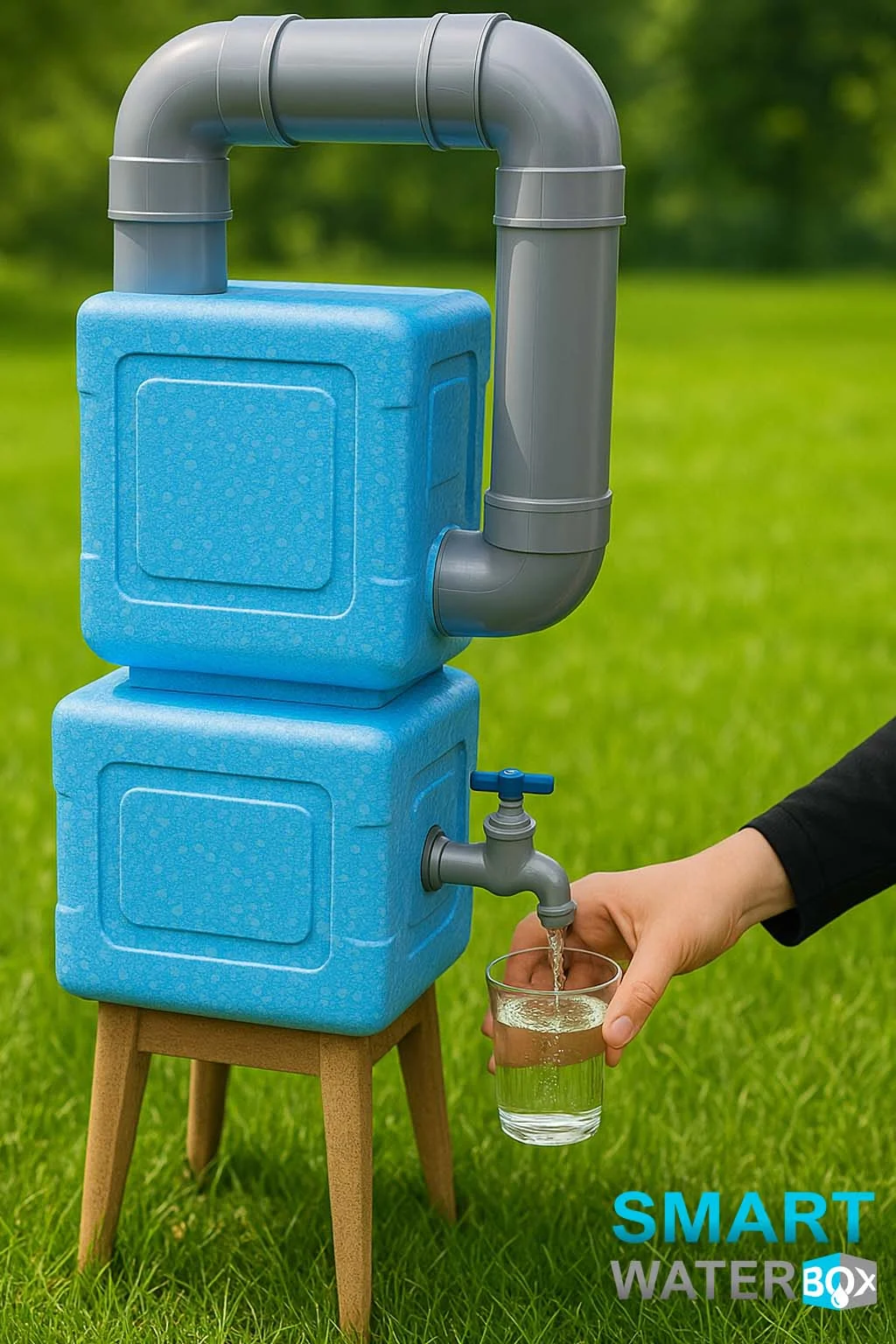
The illustration used on this page shows two stacked blue containers connected by grey pipe sections, with a tap at the bottom filling a glass. This kind of layout is common in do-it-yourself water collection projects: one chamber handles the cooling and condensation, another collects and stores the water. It reflects the practical, hands-on spirit of the project.
In short, the Smart Water Box is aimed at people who want a more self-reliant water source and are comfortable following clear instructions. It is not a replacement for municipal water in every situation, and it is not magic, but understood properly it can be a useful addition to a household that cares about preparedness and sustainability.
How Does Smart Water Box Work?
Every cubic meter of air holds some invisible water vapor. You notice it as humidity, as fog on a cold glass, or as dew on grass at dawn. Atmospheric water generation simply copies dew formation in a controlled way. The Smart Water Box approach follows the same basic chain of steps used by most air-to-water systems.
Step 1: Air intake
A fan or natural airflow brings ambient air into the unit. A dust screen or pre-filter at the inlet keeps out insects, leaves and larger particles. Placement matters here: air that is clean, shaded and moderately humid gives the best starting point.
Step 2: Cooling to the dew point
The incoming air passes over a surface that is colder than the dew point, which is the temperature at which air can no longer hold all its vapor. When air touches that cold surface, some vapor changes into liquid droplets, exactly as it does on the outside of a cold drink. Cooling can come from a compressor, from a thermoelectric element, or from other cooling arrangements, and each has different energy costs.
Step 3: Collection
The droplets run down the cold surface under gravity and drip into a collecting chamber. At this point the liquid is distilled-like in character, because it has condensed from vapor, but it is not automatically safe to drink. It can carry dust, microbes or traces of material from the surfaces it touched.
Step 4: Filtration and treatment
The collected water is then treated. The official copy describes air filters for dust, activated carbon for odors and chemicals, ultraviolet light to inactivate microbes, and optional mineral addition to improve taste. Carbon filtration and UV treatment are widely used, well-understood methods, though their performance depends on correct sizing, clean housings and timely replacement.
Step 5: Storage and use
Finally the water is stored in a closed reservoir with a tap. Storage is where many problems begin, because a warm, dark, dirty tank can grow biofilm. Clean containers, tight lids and periodic sanitizing keep the water fresh.
Plain-language summary: air in, cool it, catch the droplets, filter and treat them, store them cleanly. Every step has to be done well for the final water to be good.
Science Behind Smart Water Box
The science is ordinary physics rather than anything exotic. Air at a given temperature can hold only a certain amount of water vapor. Warmer air holds more. Relative humidity tells you how close the air is to that limit. When air is cooled to its dew point, relative humidity reaches 100 percent and any further cooling forces vapor to condense.
This has a direct consequence for output. A unit working in warm, humid air has lots of vapor to harvest per cubic meter, so it needs to move less air and cool it less to collect a liter. In dry desert air, the same unit must process far more air for the same result, and it may need to cool the air to a much lower temperature, which uses more energy. Many manufacturers quote yields under favorable conditions, so treat any headline liters-per-day figure as a best case.
Energy is the second principle. Condensing water releases heat, and removing that heat takes work. Typical compressor-based atmospheric generators use a noticeable amount of electricity per liter of water, often far more than a basic tap or filter system needs. Solar panels can offset that cost in sunny regions, but panels, batteries and controllers add their own expense and complexity.
The third principle is water quality. Condensed water starts out low in minerals, which is why it can taste flat. Adding a small amount of minerals can improve taste. More importantly, anything in the air, including dust, smoke, pollen and airborne chemicals, can end up in the water unless filtration is effective. Sensors and indicator lights can help you track humidity, output and filter status, but they do not replace laboratory testing when safety matters.
Who Is Smart Water Box For?
Different readers will find different value in this idea. Here are the groups who most often look at air-to-water solutions, along with a realistic note for each.
Off-grid homesteaders and cabin owners
If you live beyond municipal water and want a second source next to a well, tank or rainwater system, a humidity-based supply can add resilience. It works best as a supplement, not as your only source, particularly in dry seasons.
Emergency and preparedness planners
Power cuts, storms and supply disruptions can interrupt tap water. A unit that makes a modest amount of water from air, ideally paired with solar power, can be a useful part of a larger plan that also includes stored water, purification tablets and filters. Keep in mind that most air-to-water systems need electricity, so a plan for power is essential.
DIY and sustainability enthusiasts
If you enjoy building, learning and reducing plastic bottle use, a guide-based project can be rewarding. You should be comfortable sourcing parts, following steps and doing basic maintenance.
People with poor-tasting tap water
Some households simply dislike the taste of local tap water. A countertop filter is often cheaper and easier for that purpose, so compare options honestly before choosing an air-to-water approach.
Farms, camps and remote sites
Small drinking-water needs at remote locations can be met in part by atmospheric collection, though larger agricultural or livestock volumes are well beyond what small units produce.
Why Choose Smart Water Box?
These are the reasons people are drawn to the concept, based on what the official page highlights, with a practical comment on each.
- 1Water independence: The pitch is access to drinking water without pipelines or wells. The practical comment is that independence is relative, since you still need power and maintenance, and output varies with climate.
- 2Atmospheric Water Generation technology: AWG is a real, established field, used in commercial units and research projects. Quality varies a great deal between products, so look for measured output and test results.
- 3Eco-friendly angle: Making water on site can reduce plastic bottle waste. Whether it lowers your overall footprint depends on how much electricity you use and how that electricity is produced.
- 4Simplicity and upkeep: A good design keeps filters, tanks and sensors easy to reach. A guide with clear photos or video, like the tablet shown in the product images, helps a lot here.
- 5Flexible use: Homes, cabins, farms and emergency kits can all use a modest, independent water source, as long as expectations about volume stay realistic.
- 6Safety potential: Filtration and UV treatment are meant to reduce microbes and chemicals. Safe water is a result of correct build, clean storage and regular maintenance, not a promise that comes automatically with any device.
- 7Possible long-term savings: If you would otherwise buy bottled water, savings are possible over time. Count the cost of electricity, parts, filters and your own time before assuming a payoff.
Honest Limits You Should Know
Good buying decisions come from understanding limits as well as advantages. Here is where air-to-water systems, including this kind of project, fall short or need care.
| Topic | What to expect |
|---|---|
| Humidity dependence | Output rises in warm, humid air and drops sharply in dry air. Expect big seasonal swings. |
| Energy use | Condensing water takes electricity. Solar can help, but adds cost and complexity. |
| Volume | Small units produce modest daily amounts, usually enough for drinking and cooking, not for gardens or full household use. |
| Water safety | Filtration and UV help, but you remain responsible for hygiene, filter changes and, ideally, periodic testing. |
| Claims | Phrases like "meets or surpasses international purity standards" need a named standard and a test report to be meaningful. Ask for them. |
| What you actually get | Confirm whether the offer is a guide, a kit, or a finished appliance, and which parts you must buy yourself. |
| Placement | Needs clean, ventilated, shaded air. Smoke, dust and heat reduce quality and output. |
Smart tip: Treat the first batch of water as a test. If you plan to drink it regularly, send a sample to a certified laboratory and compare the results with the drinking-water standards in your country.
How to Use Smart Water Box?
Specific steps depend on the instructions you receive, so follow the official material first. The general routine below applies to most air-to-water setups and will help you get good results.
Before you start
Read the whole guide once before you build or buy anything. Make a parts list, check what is available locally, and decide where the unit will live. Pick a stable, flat, shaded and well-ventilated surface away from direct heat, smoke, cooking fumes and chemical storage.
Assembly and power
Assemble on a clean table with clean hands. Use food-safe containers and fittings wherever water will sit or flow. Connect power only after every fitting is tight and dry. If you use solar, size panels and battery storage to the unit's real consumption rather than guessing.
First run
Run the unit for a full cycle and discard the first batch of water. This flushes dust, manufacturing residues and anything left in the pipes. Watch humidity and output readings, if your build has them, and note how the numbers change through the day.
Daily and weekly care
Check the inlet screen for dust, wipe the exterior, and look at the tank for cloudiness or odor. Keep lids closed and taps clean. Replace filters on schedule rather than waiting for a problem.
Monthly and seasonal care
Sanitize the tank and contact surfaces using a method recommended in your guide, rinse thoroughly, and refill. Check UV lamps for age, because UV output declines over time. Before a long idle period, drain and dry the system so stagnant water does not become a problem.
Good habits for water safety
Use clean cups, never dip hands into storage, keep records of filter changes and sanitizing dates, and stop drinking if the water smells, looks odd or tastes unusual. If anyone in your household is very young, elderly or has a weakened immune system, be extra careful and consider laboratory testing before regular use.
Smart Water Box Benefits
The Smart Water Box concept is built around a steady supply of clean drinking water that does not depend on city infrastructure. These are the benefits most often highlighted, with context to keep them grounded.
- 1Drinking water almost anywhere: Wherever there is air with some moisture, there is a possible source. Very dry places still need a different primary source.
- 2Off-grid potential: With solar panels or a battery bank, a unit can operate away from the grid, which suits remote living and backup planning.
- 3Less plastic waste: Refilling reusable bottles at home cuts single-use plastic compared with bought bottled water.
- 4Multi-stage treatment: Pre-filters, carbon and UV each tackle a different type of concern, which is a sound approach when maintained properly.
- 5Emergency readiness: A small, steady stream of water during outages or droughts can matter a lot, especially next to stored water and other backups.
- 6Monitoring and maintenance reminders: Sensors, displays and alerts, where included, make it easier to spot problems early.
- 7Potential savings over time: Lower bottled-water spending can add up, provided running costs and replacement parts are counted honestly.
Benefits that depend on you
The best results come from users who treat the system like a small water plant: clean inputs, clean storage and regular records. People who do this typically report more consistent taste and fewer surprises, while those who skip upkeep tend to run into off flavors or reduced output.
Who Created Smart Water Box?
The official page describes the creators as a global team of engineers, scientists and innovators who combined knowledge of Atmospheric Water Generation, renewable energy and purification to design a user-friendly approach to turning air into water.
That description is general. It does not name individuals, companies or credentials, so you cannot verify it from the copy alone. Before you buy any water-related product, it is sensible to look for a named company, a physical or support address, a refund policy and independent feedback. Use the official page to check those details and keep your order confirmation.
This website is an independent informational guide. It is not the seller, and it cannot answer questions about orders, refunds or product specifics. For those, contact the official seller directly.
Smart Water Box vs Other Water Options
Air-to-water is one of several ways to improve your drinking-water situation. Comparing them honestly will save money and disappointment.
| Option | Strengths | Weaknesses |
|---|---|---|
| Air-to-water (AWG) | Works without pipes or wells; can run on solar; reduces bottle use. | Output varies with humidity; needs power; needs careful upkeep. |
| Countertop or under-sink filter | Low cost; quick install; improves taste and removes many contaminants. | Needs an existing water supply; filters need replacing. |
| Rainwater harvesting | Large volumes in rainy regions; low running cost. | Seasonal; needs storage and treatment; roof quality matters. |
| Well or borehole | Large, steady supply in many places. | Drilling cost; water testing; pump power. |
| Bottled or delivered water | Convenient; no setup. | Ongoing cost; plastic waste; delivery dependence. |
For many households, the best answer is a combination: a dependable main supply, a good filter, some stored emergency water, and, if it suits your climate and interests, an atmospheric water project as an extra layer of resilience.
Frequently Asked Questions
What is the Smart Water Box?
It is a product built around atmospheric water generation, the idea of collecting moisture from air and turning it into drinking water. The official page shows a DVD and tablet package, so check exactly what is included, such as a guide, videos or physical parts.
Does it work in dry climates?
It can, but output drops as air gets drier. Expect much better results in warm, humid conditions and noticeably lower results in arid regions or cold, dry winters.
How much water can I expect per day?
There is no single number. Output depends on humidity, temperature, airflow, and the size and design of the system. Treat any quoted figure as a best-case value and test in your own conditions.
Is the water safe to drink?
Water that has been filtered and UV-treated can be safe, but safety depends on clean materials, correct assembly, timely filter changes and hygienic storage. For regular drinking, laboratory testing is a wise precaution.
Does it need electricity?
Most air-to-water methods need power for fans, cooling or UV treatment. The official page mentions mains power or solar options. Plan your power source before you rely on it.
Can I run it on solar power?
Often yes, if you size panels and storage to the actual consumption. Poor sizing is a common reason solar setups disappoint.
How often does maintenance need to happen?
Quick checks weekly, sanitizing monthly or as the guide advises, and filter or lamp replacement on schedule. Always follow the instructions that come with your version.
Is this the official website?
No. This is an independent information page. The Order Now and Buy buttons lead to the official site, which is where you should check pricing, contents and policies.
Do you earn money if I buy?
Yes, this page may earn a commission if you purchase through its links, at no extra cost to you. Read the full affiliate disclosure.
Where can I check the current price?
On the official order page. Prices and offers change, so this guide does not quote one.
Ready to Learn More? Visit the Official Page
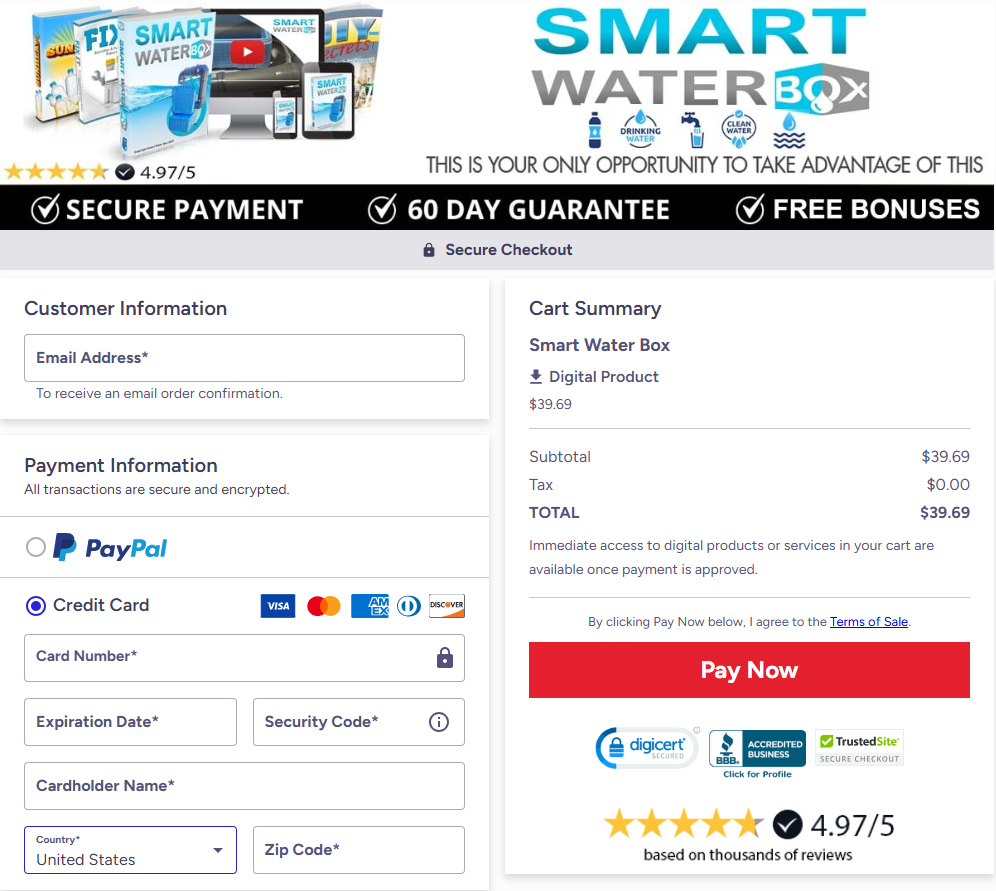
Pricing, bonuses and refund terms are set by the seller and can change at any time. Open the official page to see the current offer, read the guarantee terms, and make sure you understand exactly what you will receive before you pay.
Check Current Offer 🛒